Coffee Alternatives project
Best Coffee Alternatives: What Actually Replaces Coffee?

At NooTea we make bold-tasting brews to replace your coffee, inspired by traditional drinks from around the world. These reviews are part of Richard's research to find inspiration for NooTea blends.
Jump to a drink:
 Reviewed📷 story
 Reviewed📷 story
 Reviewed📷 story
 Reviewed
 Reviewed
 Reviewed
 Reviewed
 Reviewed
 Reviewed
 Reviewed



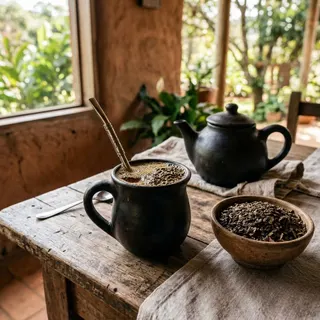
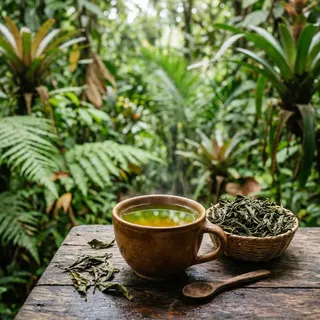
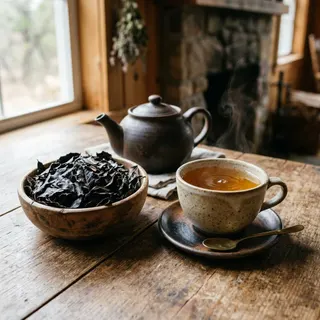
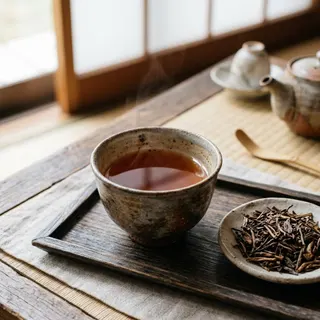
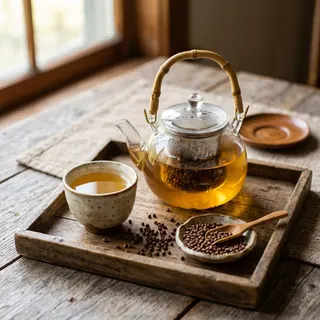
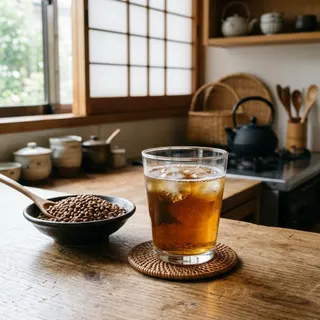
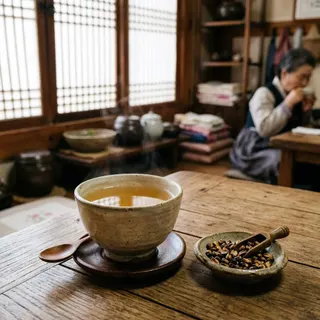
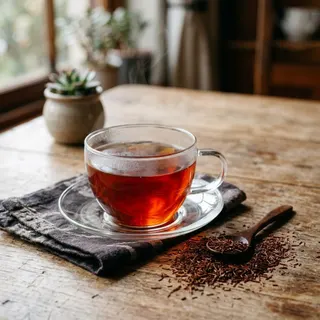

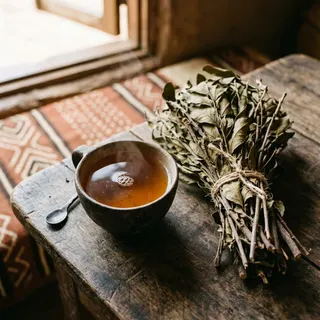
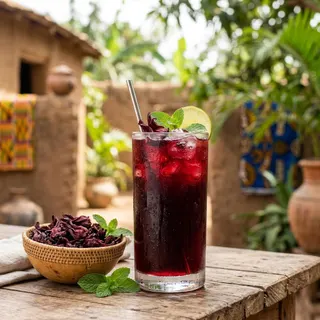
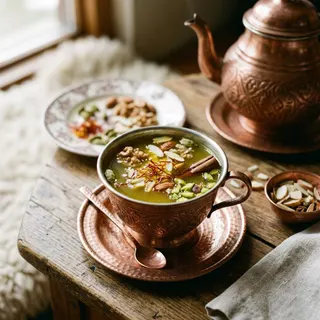
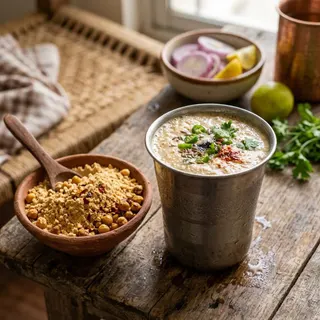

The research behind these reviews — photos from where these drinks are made:
How I review
Taste is subjective, and these are my tastebuds. I'm not a lab — I'm one person travelling around, drinking these things where they're made, and telling you honestly what I think. Where a review is Klara's, you'll see “Klara's Take”; the rest are mine.
I also make drinks. I choose what I believe are the best ingredients and turn them into NooTea brews — so of course my own brews score well here; they're literally made to my taste. If your taste matches mine, these ratings will be useful to you. If it doesn't, the notes under each review should still help you find your own favourite.
Coffee has the flavour and the buzz I craved — which makes it genuinely hard to replace. There's no shortage of would-be alternatives — chicory, matcha, mushroom coffee, yerba mate — but do any of them actually match coffee? And anyway, what makes a real coffee alternative?
- Taste — depth, not just flavour
- Effect — focus, calm or stimulation
- Balance — steady, no jitters or crash
- Comfort — easy on the stomach
- Ritual — something you'd choose each morning

Reviews by Richard
NooTea co-founder · Last updated: 23 August 2026
Coffee alternatives, summary
Swipe to see all columns →
| Drink | Taste | Effect | Drink again? | Richard's Verdict |
|---|---|---|---|---|
| Sous سوس | Naturally sweet and tangy, with a rooty, earthy side | No immediate effect felt | Yes — and it may inspire a future blend | Interesting on taste, but needs a little buzz added |
| Terebinth | Earthy, roasty and nutty; looks very much like coffee | No real “cha-chi” without a second ingredient | With milk, yes | Promising with the right processing and brewing |
| Chicory coffee | Roasty and looks like coffee | No real effect | No | Looks the part, but doesn't hold up |
| Green coffee | Green, grassy — nothing like roasted coffee | Mild caffeine lift | Occasionally | Grew on me, but it is coffee — not a replacement |
| Matcha | Vegetal, umami, smooth when good | Calm, steady focus | Yes | Real quality matcha is a joy |
| Masala chai | Milky, spicy, comforting — often too sweet | Gentle lift from the tea base | Sometimes, as a treat | A great drink, but not really coffee-like |
| Kombucha | Sweet to tangy or vinegary; best fizzy | A little caffeine, no crash | Yes, instead of sparkling water | Worth trying if you like fermented drinks, but not coffee-like |
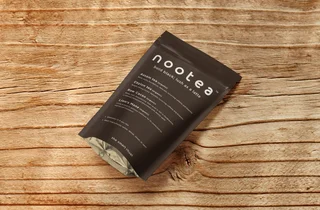
| NooTea Brew 2 | Deep, earthy, rounded | Calm, positive-feeling, focus | I'm addicted | Depth of taste of coffee, though not 100% the taste of coffee. Effect is much better |
More reviews are still to come — verdicts will be added as I write them up.
Coffee Alternatives: Tested & Reviewed
Sous سوس
2/5
Interesting taste, but no immediate effect — the rating may rise if a future blend adds that little bit of buzz.
Richard's Take
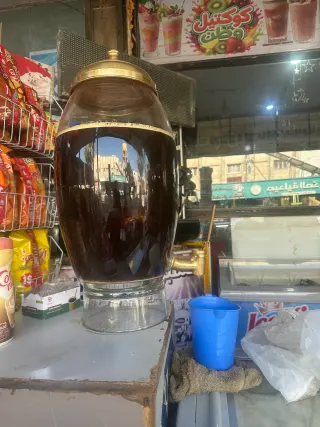
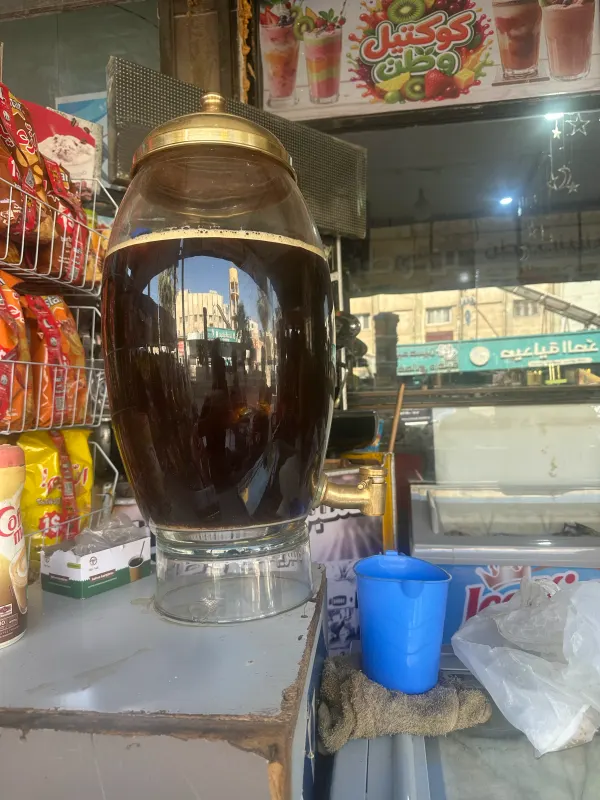
I came across this in Syria. It's a liquorice root infusion with a natural sweet tanginess. But also a distinctly 'rooty' slightly earthy flavour, which is why I'm including it in the list as a potential coffee alternative.
Research does suggest some cognitive benefits, but I felt no immediate relaxation or other 'cha chi'. So after we've released Brew 3 I'll try make a blend of this with something to give it that little bit of a buzz. If I manage to do that and keep it tasty I'll increase the star rating.
Taste
Naturally sweet and tangy, with a distinctly rooty, slightly earthy flavour.
Effect
No immediate relaxation or 'cha-chi' felt, though research suggests some cognitive benefits.
Caffeine
0mg
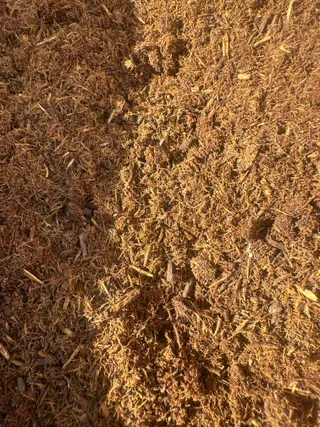
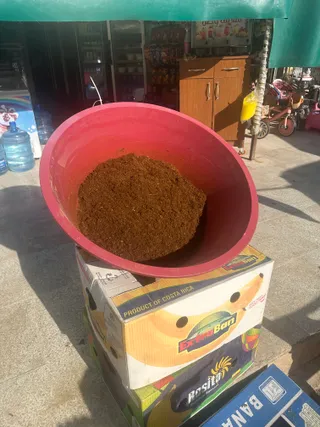
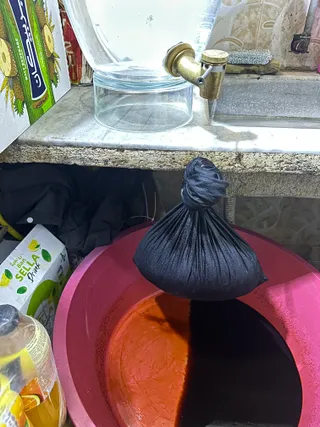
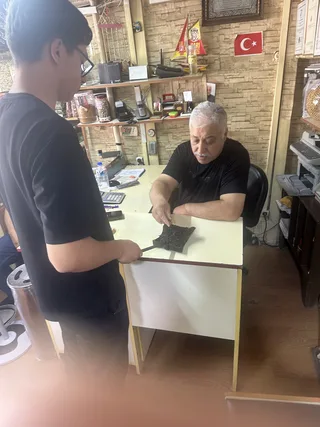
A four-day wait at the Syria–Turkey border (the border was closed but we were persistent) brought an opportunity to photograph the making of Sous.
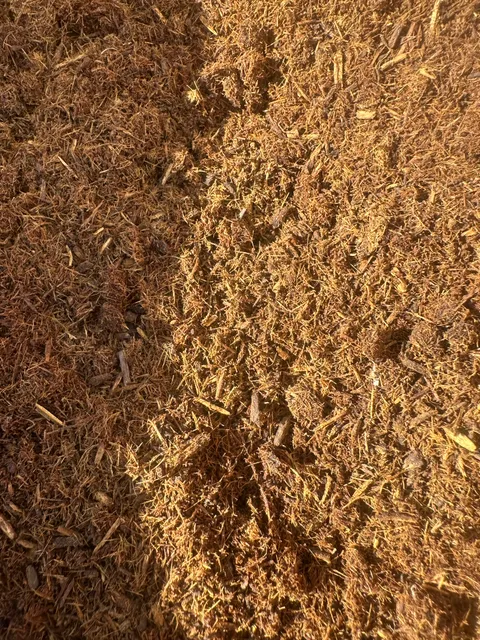
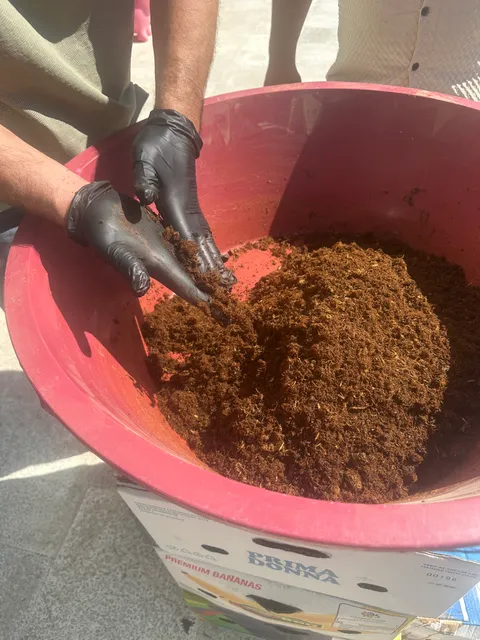
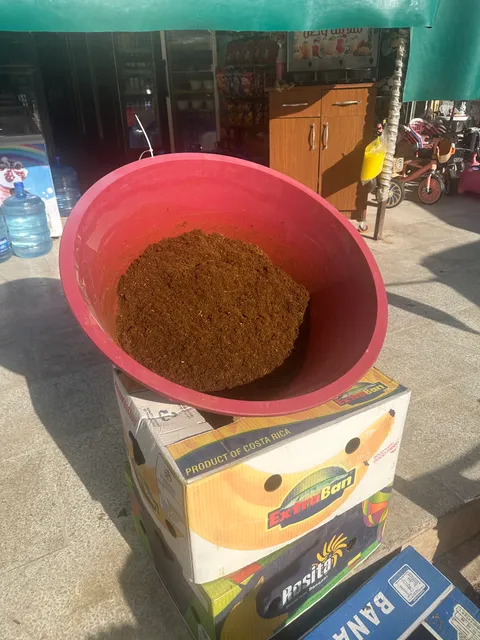
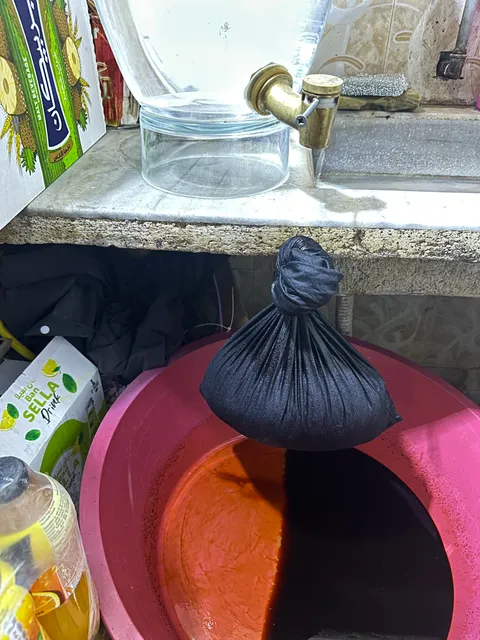
No Brew number yet, but Sous is the one keeping me busy in the kitchen right now — after Brew 3 I'll try blending it with something that adds a little buzz.
Are these reviews biased?
Yes — towards my tastebuds. I'm one person tasting these drinks where they're made, and I also make my own brews, so my ratings reflect my taste, not a lab score. Read how I review.
Raw Cacao
Richard's Take
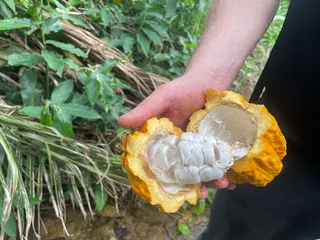
Raw cacao isn't a drink review so much as an ingredient I keep coming back to. Most cocoa you meet isn't raw and isn't the full bean — it's been roasted at high temperatures and had the fat pressed out. The benefits come from keeping it raw and using the whole bean. Theobromine, cacao's gentle cousin of caffeine, gives a longer, smoother mental energy without the spikes and crashes, and its anandamide and phenylethylamine lift mood while cacao polyphenols support mental clarity.
We used raw fermented cacao in Brew 1, Batch 1.1 — paired with Assam and Lion's Mane, it brings the chocolate notes that make the blend taste remarkably coffee-like. It's also a potential ingredient for another brew I have in mind.
I've written more about why tea and cacao are a nootropic match made in heaven — and why blending them is tricky — on the Brew 1 page.
Taste
Bittersweet and rich, with chocolate depth. Raw beans are bitter and astringent until fermented.
Effect
Gentle, long-lasting alertness from theobromine; mood lift from anandamide and phenylethylamine.
Caffeine
Low — theobromine does the heavy lifting
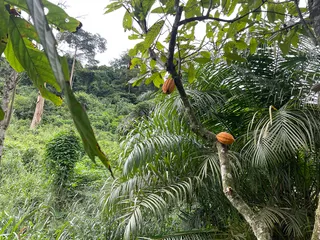
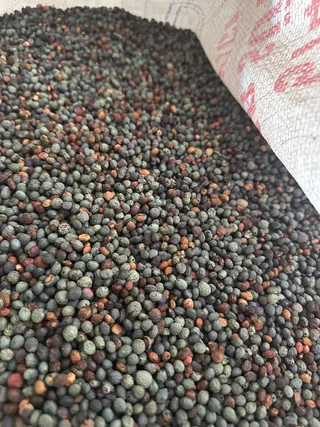
After weeks in Accra, a rare escape from the city led me to this cocoa farm.
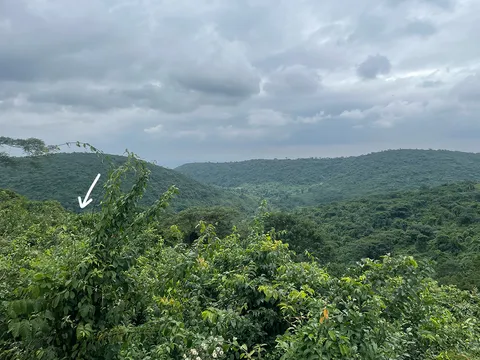
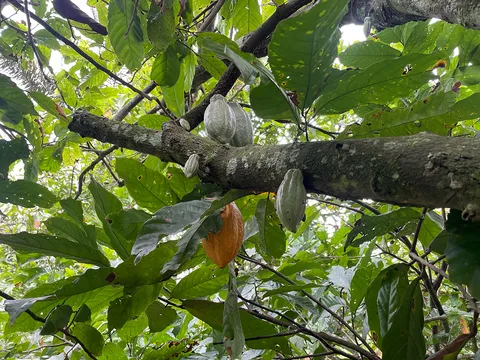
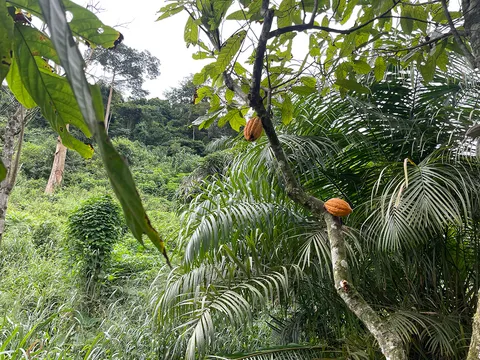
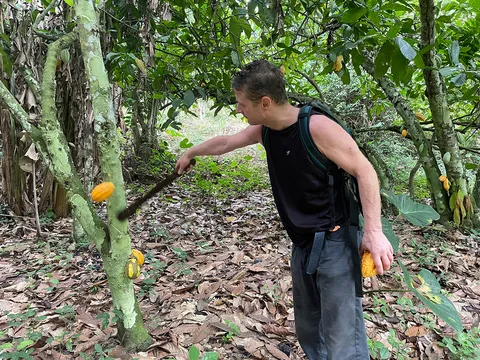


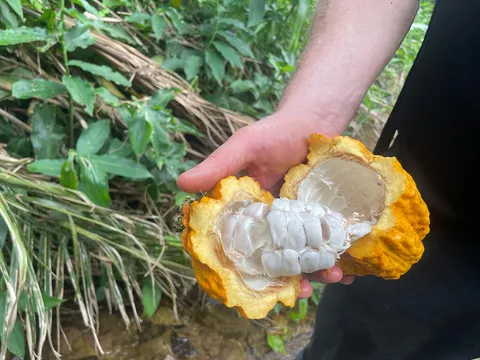

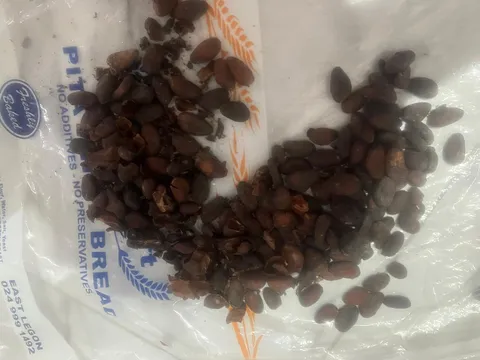
This one made it into a brew — raw fermented cacao brings the chocolate notes to Brew 1.
Are these reviews biased?
Yes — towards my tastebuds. I'm one person tasting these drinks where they're made, and I also make my own brews, so my ratings reflect my taste, not a lab score. Read how I review.
Terebinth
4/5
I found quite a range from not great to great, depending on processing and brewing. The four stars is after I blended it with a second ingredient.
Richard's Take
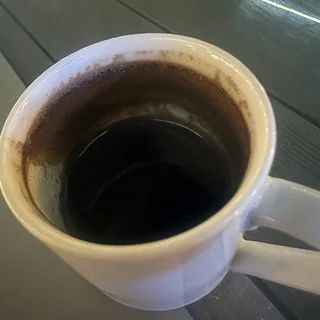
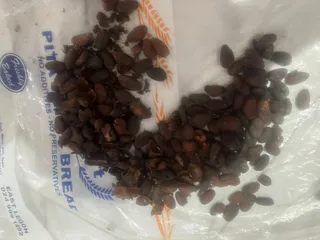
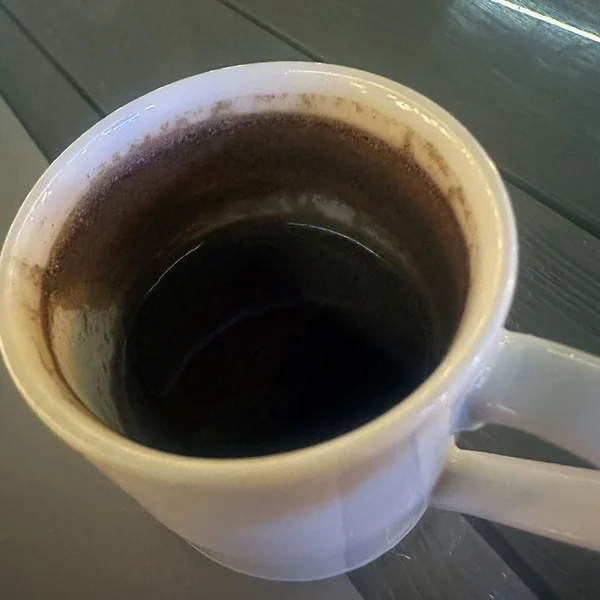
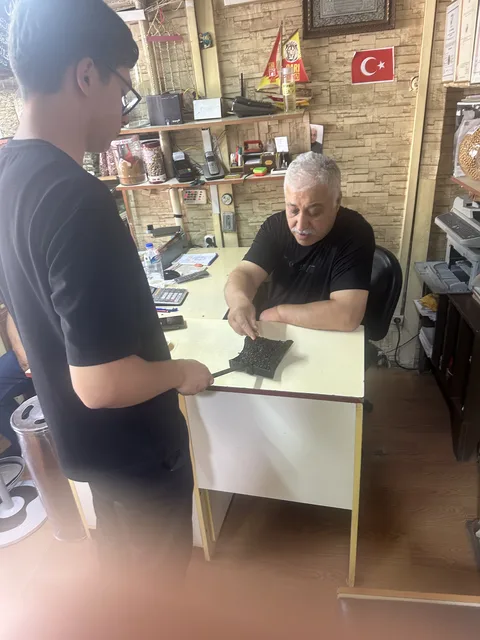
I found terebinth in Turkey. It has potential for a NooTea Brew, but without blending it with a second ingredient there is no real “cha-chi”. I’ll publish what that second ingredient is when the new brew launches.
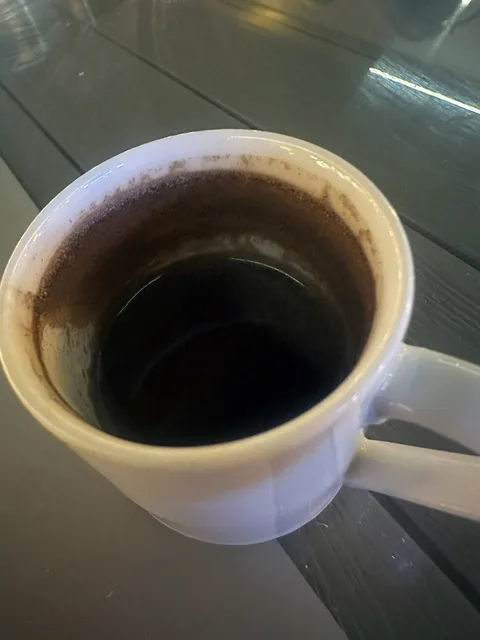
With the right processing and brewing it tastes like a nice earthy, roasty coffee with a nutty taste, and looks very much like coffee. I recommend it with milk, not water — I dislike it with water.
I’m still experimenting with it, so I’ll say more later.
Taste
Earthy, roasty and nutty, with a coffee-like look. I prefer it with milk.
Effect
No real “cha-chi” from terebinth on its own; my four-star version is blended with a second ingredient.
Caffeine
0mg in the terebinth itself
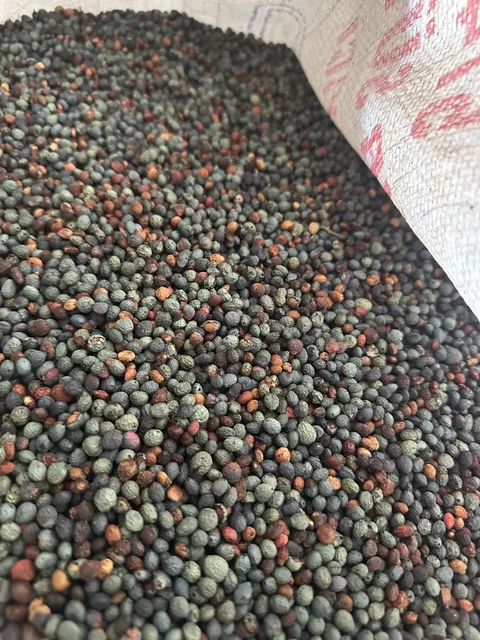
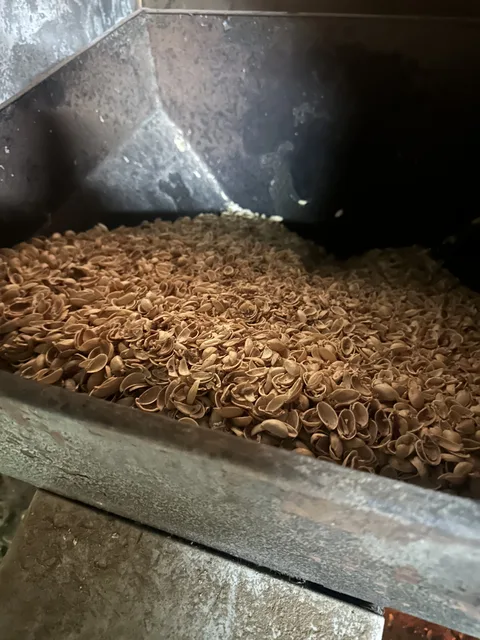
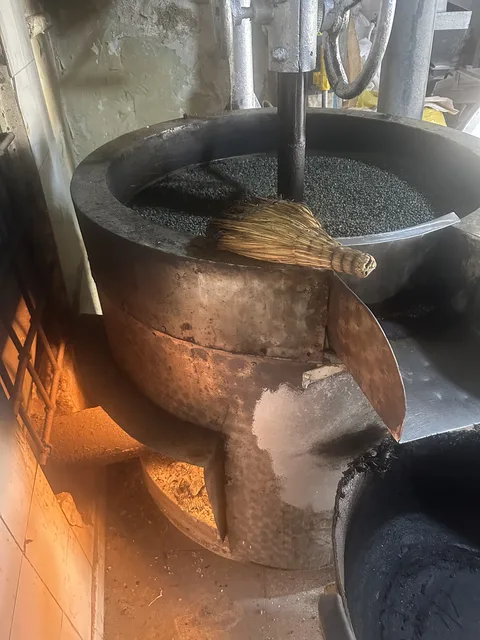
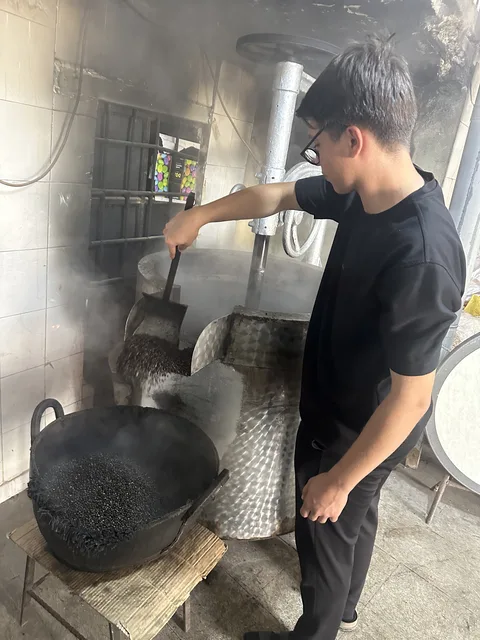
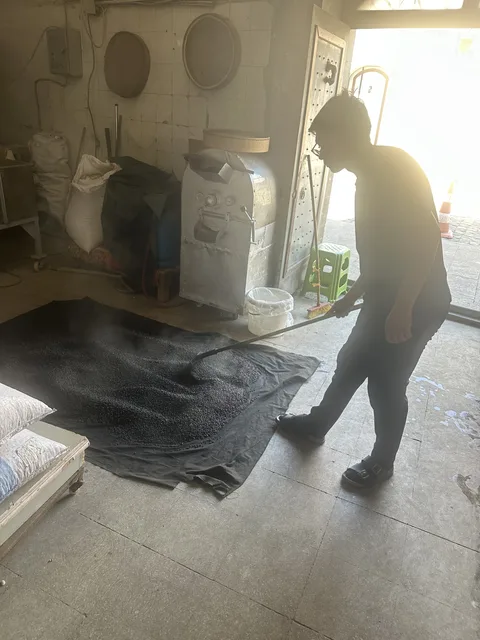
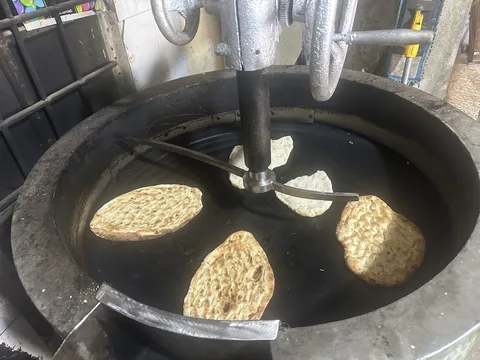
How to make: Roast terebinth, grind it to a paste, then mix a spoon of the paste with hot milk.

Pros
- Earthy, roasty, nutty flavour that looks the part
- Especially satisfying with milk
- Potential for a future NooTea Brew
Cons
- The processing and brewing need to be right
- I dislike it made with water
- No real “cha-chi” from terebinth on its own
Are these reviews biased?
Yes — towards my tastebuds. I'm one person tasting these drinks where they're made, and I also make my own brews, so my ratings reflect my taste, not a lab score. Read how I review.
Chicory Coffee
2/5
Don't be put off by the low number of stars if you simply want a roasty taste to remind you of coffee. This gives you that. I'm giving it only 2 stars because I find no depth of flavour and no 'cha-chi' — no sensation benefit.
Richard's Take
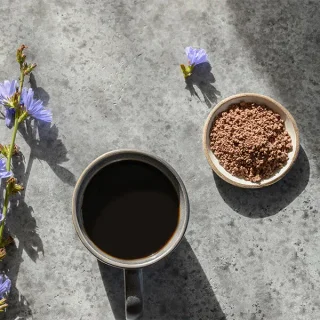
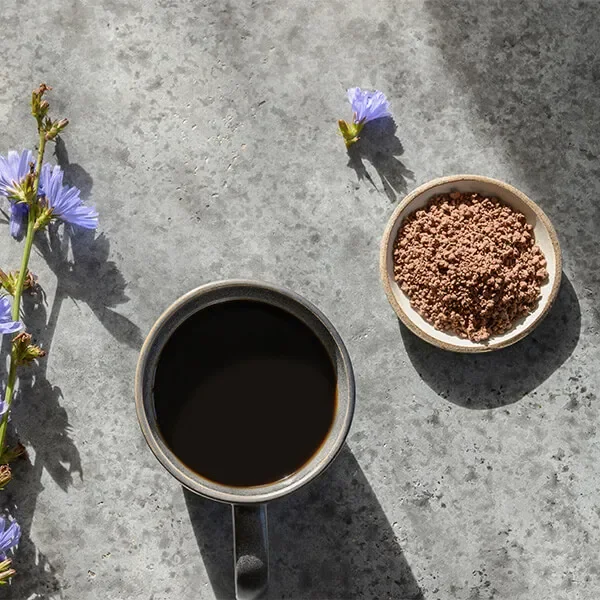
Chicory is the coffee alternative I hear mentioned most. It has a roastiness to it, and it looks like coffee.
But for me the taste just isn't good. If I were trying to replace coffee with this, I'd always be thinking "what I really want is an actual coffee" — and that's what I'd end up drinking.
There's no "cha-chi" — no kick, no relaxation, nothing that makes you want to go back to it.
This one just drifts to the back of my cupboard.
Taste
Roasty and dark on the surface, but slightly off compared to coffee.
Effect
No noticeable effect — no stimulation or calm focus.
Caffeine
0mg
How to make: Roast chicory root until dark, grind coarsely, then brew like coffee. Or use instant chicory.
Pros
- Coffee-like appearance and roastiness
- Widely available
- Caffeine-free
Cons
- Taste doesn't fully match coffee
- No real effect
- Not something I'd come back to
The roasty taste is there, but with no depth of flavour and no ‘cha-chi’, I haven't found a place for it in a brew.
Are these reviews biased?
Yes — towards my tastebuds. I'm one person tasting these drinks where they're made, and I also make my own brews, so my ratings reflect my taste, not a lab score. Read how I review.
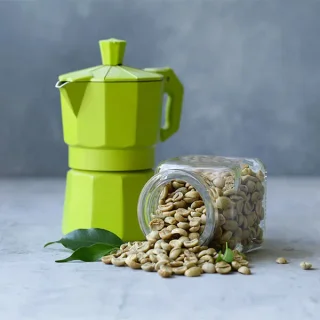
Green Coffee
3/5
For many I think this would be two stars because it's nowhere near roasted coffee character. But I find it a satisfying, interesting drink, and I can almost imagine it being my 'daily drinker'.
Richard's Take
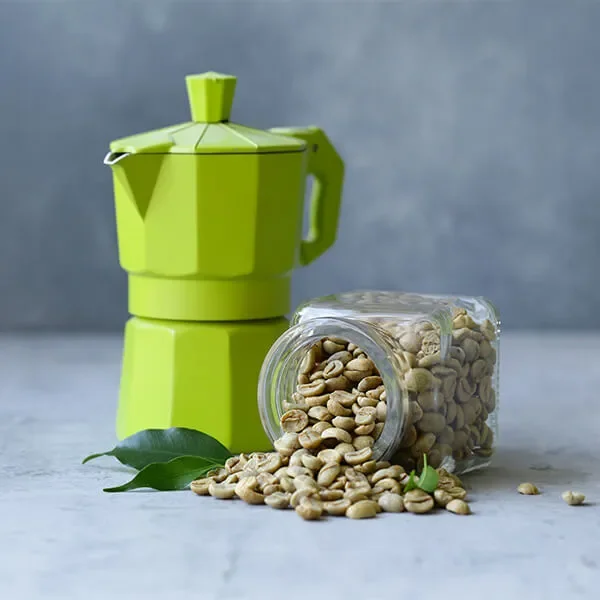
This is 100% coffee — just unroasted.
The first time I tried it, I was surprised. It tastes nothing like roasted coffee — more green and grassy, closer to a herbal tea.
It actually grew on me. But it doesn't solve the usual reasons people look for coffee alternatives.
I'm including it because I like it — not because it replaces coffee. It is coffee.
Taste
Green, grassy, and quite far from the roasted depth of coffee.
Effect
Mild stimulation from caffeine, but without the usual coffee feel.
Caffeine
Low to moderate (the caffeine is in the green beans, but it doesn't extract so much).
Pros
- Still coffee (for those avoiding roasting effects)
- Unique, herbal flavour
- Some caffeine for light stimulation
Cons
- Nothing like coffee in taste
- Doesn't solve typical coffee downsides
- Not a replacement — just a different form of coffee
I include this one because I like it, not because it replaces coffee — it is coffee.
Are these reviews biased?
Yes — towards my tastebuds. I'm one person tasting these drinks where they're made, and I also make my own brews, so my ratings reflect my taste, not a lab score. Read how I review.
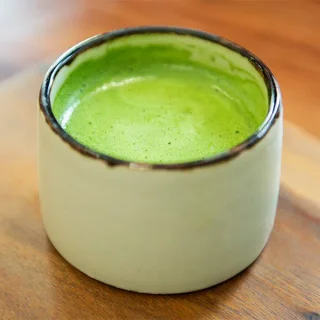
Matcha
4/5
I'd give really high quality matcha 5 stars if I was reviewing it simply as a drink. Since it's nothing like coffee in taste though, and this is a coffee alternatives review, I'll stick with 4 stars. But matcha has complexity and so much to nerd out on — I do love it.
Richard's Take
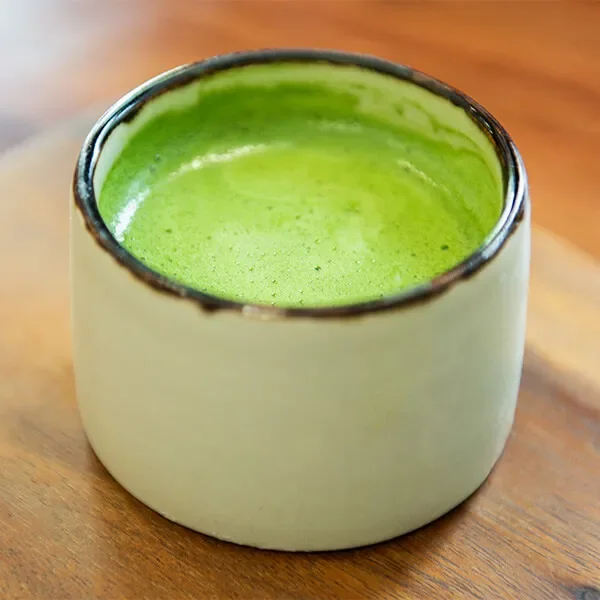
Good matcha is smooth, creamy, and not bitter (when made with water only).
The issue is quality. Demand has outpaced proper production, and you won't get the real deal from the new brands – the experienced farmers are sticking with their long-time buyers. (Ignore the term 'ceremonial' if it's attached to a new brand.)
Many years before matcha became trendy-wendy I was looking at stone grinders to fresh grind Tencha leaves into Matcha. So I'm very into this tea. It's not at all like coffee though.
If you really want good matcha, there is a tea garden I can get it from, but it will be super super expensive – way more than NooTea.
Taste
Clean, grassy, and umami-rich — completely different from coffee.
Effect
Calm, steady focus from caffeine and L-theanine.
Caffeine
Moderate (similar to coffee).
Pros
- Smooth, sustained focus
- Highest quality matcha tastes delicious
- No coffee crash
Cons
- Massive variation in quality
- Expose it to air and great matcha becomes terrible matcha
- Not coffee-like in taste, if that's what you're looking for
- The best is very expensive and tricky to get hold of
I was grinding my own matcha long before it was trendy, but it's a world of its own — not an ingredient in any of my brews.
Are these reviews biased?
Yes — towards my tastebuds. I'm one person tasting these drinks where they're made, and I also make my own brews, so my ratings reflect my taste, not a lab score. Read how I review.
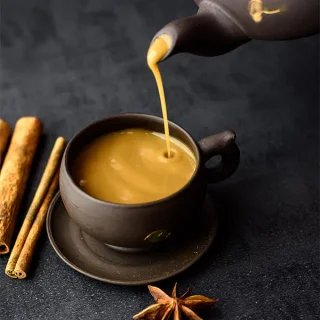
Masala Chai
2.5/5
I think this has potential to be 4 stars with the right blend. But I've never found that blend so far.
Richard's Take
Masala chai is a great drink, though not really coffee-like.
My strongest memory of it is from India, sitting by the window of a train as it pulled away from a station while a chai seller ran alongside, passing little glasses through the window then calling for them back before the train gathered speed.
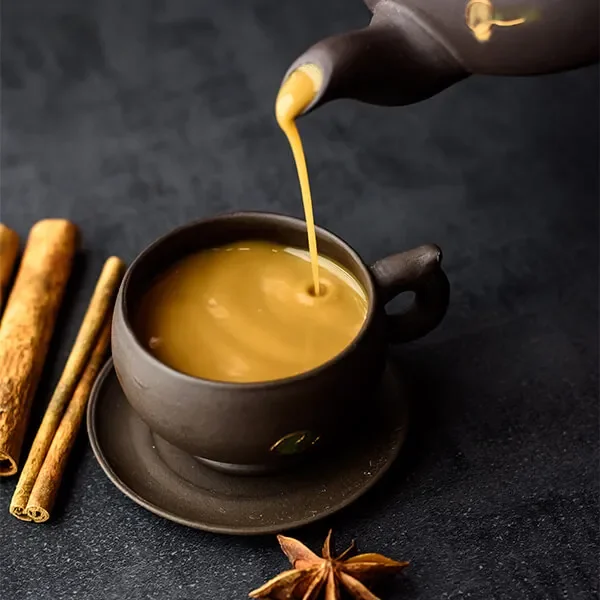
It's a milky, spicy, comforting drink, but these days I often find it too sweet. I'd like to experiment with blending a richer, roastier version that's less sweet while keeping the warmth and depth that make masala chai so enjoyable.
For now, though, my focus is on developing Brew 3, so that experiment will have to wait.
Taste
Milky, spicy and comforting — warm depth, but often too sweet.
Effect
A gentle lift from the black tea base.
Caffeine
50–70mg per cup from the black tea base.
Pros
- Warm, spicy and deeply comforting
- A rich ritual with real heritage
- Some caffeine for a gentle lift
Cons
- Usually very sweet
- Nothing like coffee in taste
- Milk and sugar make it more of a treat than a daily replacement
One day I'd like to blend a richer, less sweet chai — but that experiment waits until Brew 3 is out.
Are these reviews biased?
Yes — towards my tastebuds. I'm one person tasting these drinks where they're made, and I also make my own brews, so my ratings reflect my taste, not a lab score. Read how I review.
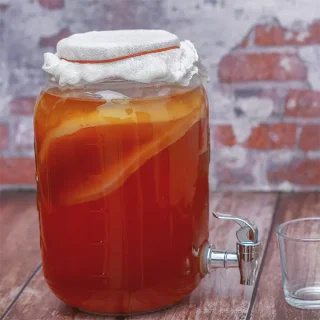
Kombucha
3/5
Not very coffee-like, but a worthy contender as your 'daily drinker'.
Richard's Take
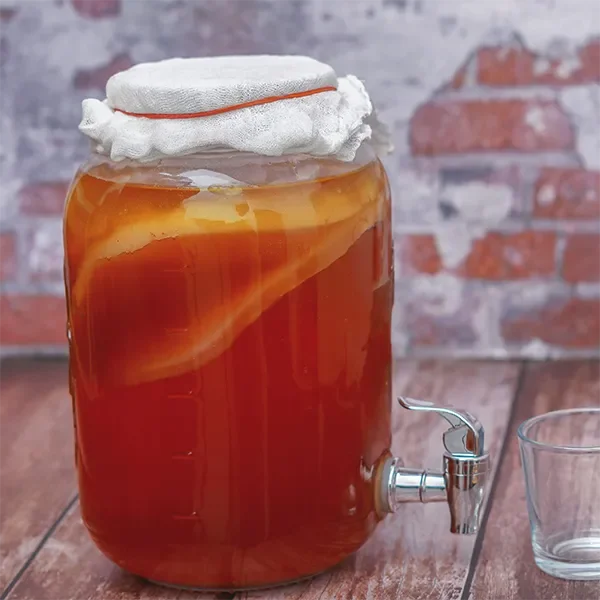
Many reading this will have more experience of kombucha than I do, because I haven't yet made it myself (it's on the to-do list). I've tasted many friends' home brews, though, as well as plenty of shop-bought versions.
The flavour can range from quite sweet to pleasantly tangy or distinctly vinegary. I tend to prefer the tangier, fizzier versions, and part of the appeal for me is that it's a fermented drink. I usually see it as an interesting alternative to sparkling water rather than a substitute for coffee.
That said, I can imagine some people finding it satisfying enough to replace a coffee break. It has plenty of flavour, somehow feels special and enjoyable taking a few minutes to savour it. It has a little caffeine but I've never had the crash with it that I experience after drinking coffee.
If you enjoy fermented foods and drinks, kombucha is well worth trying as a coffee alternative.
Taste
Ranges from quite sweet to pleasantly tangy or distinctly vinegary; best when tangy and fizzy.
Effect
A little caffeine, with no coffee-style crash.
Caffeine
Low — around 10–25mg per cup.
Pros
- Plenty of flavour — feels special to savour
- Fermented, with a pleasant tangy fizz
- No coffee-style crash
Cons
- Quality and sweetness vary hugely
- Nothing like coffee in taste or ritual
- Vinegary versions can put people off
Making my own is still on the to-do list. But fermentation is close to my heart — it's at the core of Brew 2.
Are these reviews biased?
Yes — towards my tastebuds. I'm one person tasting these drinks where they're made, and I also make my own brews, so my ratings reflect my taste, not a lab score. Read how I review.
NooTea Brew 1
4/5
This doesn't get the full five stars because brewing is pretty complex due to the extraction rates of the different ingredients.
Richard's Take
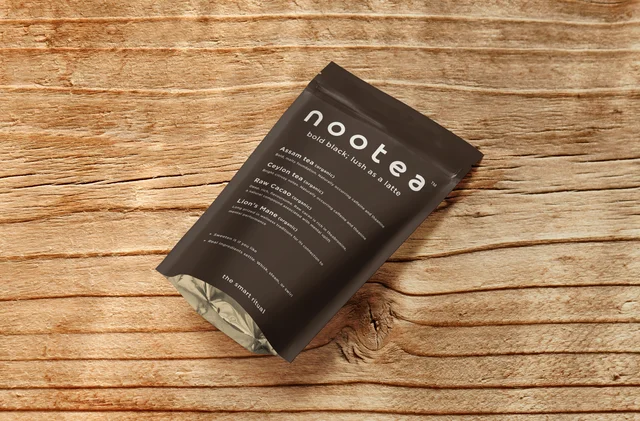
Brew 1 came out of my own quest to replace coffee. I love the stuff, but weirdly coffee sends me to sleep. So this original blend was designed to satisfy both coffee's flavour depth and the mental energy it gives many people, and I wanted something that would bring some longer term cognitive benefits also. Batch 1.1 was Assam with raw cacao and Lion's Mane. I have a tweak for Batch 1.2. There will be some ingredient changes, but it's very much the same direction, so it's still 'Brew 1'. I'll post that detail up when I release Batch 1.2, which will not be until late in 2027 while I focus on Blends 2 and 3.
How I make it: Use a small handful (A LOT) of the blend with a small amount of water. Steep for less than a minute, then do multiple infusions, adding extra time with each round. This method extracts maximum flavour and compounds while avoiding bitterness.
Taste profile: Rich, malty Assam base with chocolate notes from raw cacao, subtle earthy undertones from Lion's Mane. Bold black tastes remarkably coffee-like; as a latte, it's creamy and satisfying.
Active compounds: 70-85mg caffeine, theobromine (gentle alertness), L-theanine (calm focus), hericenones & erinacines (cognitive support), anandamide & phenylethylamine (mood elevation)
Pros
- Coffee-inspired satisfaction, with its own character
- Cognitive benefits from Lion's Mane
- Smooth energy without jitters
- Works both black and as lattes
- Natural, whole-food ingredients
- Designed specifically as coffee replacement
Cons
- Currently sold out until mid 2027
- More expensive than regular coffee
- Requires steeping time like tea
- Limited availability
Note: Brew 1 is currently sold out and returning mid 2027. In the meantime, Brew 2 is available now — dispatches in 1–3 business days. Learn more about Brew 1
Are these reviews biased?
Yes — towards my tastebuds. I'm one person tasting these drinks where they're made, and I also make my own brews, so my ratings reflect my taste, not a lab score. Read how I review.
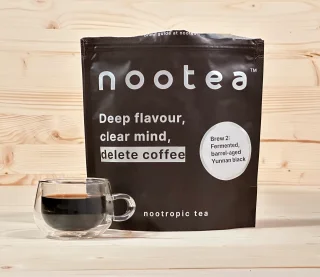
NooTea Brew 2
4.5/5
I hesitate to give this 5 stars because it's my own creation. I can't say it's better than the highest quality matcha, but it is very different and has more of a coffee-like character. But then, not everybody agrees that it's coffee-like. It's also quite sensitive to brewing technique, time infused, amount of leaf, even the type of water used — which is great for a tea nerd like me, but not what everyone wants. So 4 stars or 4.5... Oh, let's give it 4.5 :)
Richard's Take
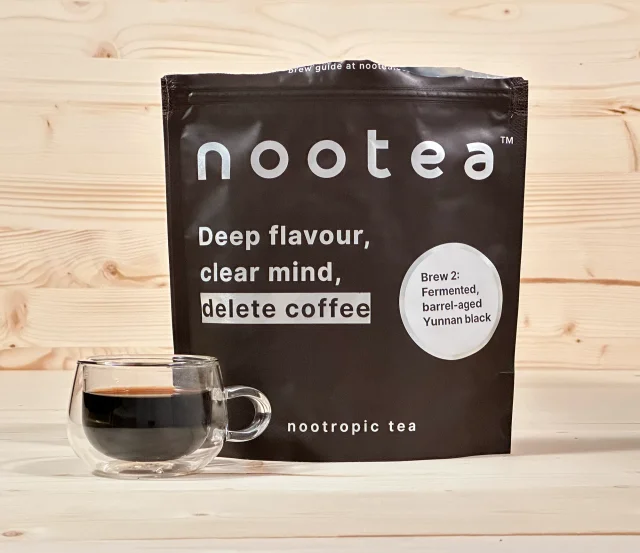
A sophisticated dark tea from 100+ year old Yunnan trees, blended with a little Lion's Mane. Brew 2 undergoes months of controlled fermentation and barrel aging. This creates a tea so rich and complex that when brewed with a lot of leaf, it has the body and depth for a satisfying coffee alternative without going bitter like a regular tea would. We use traditional Yunnan processing with a few tweaks to achieve this. We haven't lab tested compounds, but the fermentation and ageing processes are thought to produce compounds beneficial to the microbiome and to cognition. I've been drinking test versions of Brew 2 for three years now, and I feel the benefit both immediately after a cup, and I think cumulatively. That's my experience. Different people have different assessments.
This is the one that keeps my kettle busy. It has become my go-to even before Brew 1.
How I make it: Use a small handful (A LOT) of the blend with a small amount of water. Fuller brewing details here.
Taste profile: Deep, complex, and (some say) coffee-like character with rounded body. Notes of dark chocolate, earth, and subtle sweetness. I prefer it black to appreciate the full flavour complexity; but it's also lovely infused in unsweetened plant milk.
Active compounds: 60-75mg caffeine, fermentation compounds from aged Yunnan processing, polyphenols, antioxidants and minerals from ancient tree terroir, plus hericenones & erinacines (cognitive support) from Lion's Mane
Pros
- Coffee-like satisfaction but with its own character, when brewed strong
- Complex, sophisticated flavour profile
- Available now — dispatches in 1–3 business days
- Smooth, sustained energy
- Heritage tea from ancient trees
- No additives needed for great taste
Cons
- Requires specific brewing technique
- Premium pricing
- Strong flavour may be intense for some
Available now: Perfect for those seeking a bold, coffee-like tea experience. Get Brew 2 with the NooTea Membership
Are these reviews biased?
Yes — towards my tastebuds. I'm one person tasting these drinks where they're made, and I also make my own brews, so my ratings reflect my taste, not a lab score. Read how I review.
This is the one designed to keep the kettle busy
A nootropic, deep flavoursome tea, to replace your coffee
I'll Post Up Fuller Notes On These
Ginseng Coffee
Usually regular coffee blended with ginseng extract, leaning on the root's adaptogenic reputation. Earthy and slightly medicinal. Caffeine: 0–80mg depending on the blend.
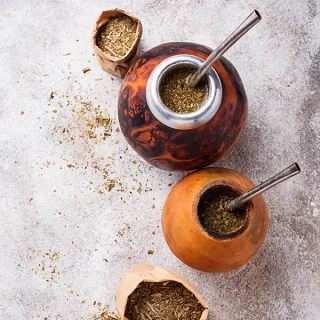
Yerba Mate
South America's traditional shared brew — grassy, smoky and intensely herbal, with more caffeine than most teas (~85mg per cup).
Barley Coffee
Italy's caffè d'orzo — roasted barley brewed like coffee. Nutty, malty and caffeine-free; often given to children in Italian families.
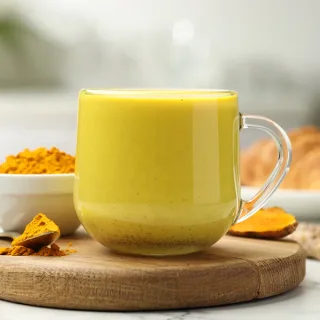
Golden Milk (Turmeric Latte)
The Ayurvedic "haldi doodh" — warm milk with turmeric and spices. Comforting and caffeine-free, but a very different drink to coffee.
Cascara
Dried coffee-cherry husks brewed like tea. Fruity and floral — from the coffee plant, but tastes nothing like coffee. Around 25mg caffeine per cup.
Maca
"Peruvian ginseng" — a powdered Andean root stirred into hot water or milk. Earthy, malty and caffeine-free, relying on adaptogenic compounds.
Mushroom Coffee
Coffee blended with mushroom extracts like Lion's Mane, Chaga or Cordyceps. Typically about half the caffeine of regular coffee (50–100mg). A proper review is coming — my first impression is that it feels like diluted coffee.
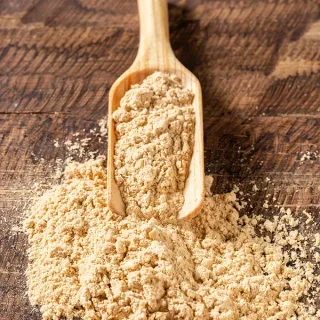
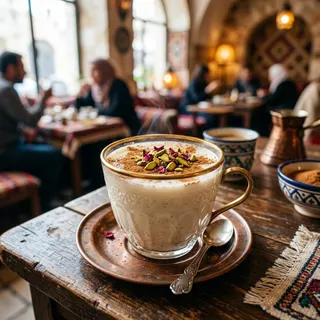
Sahlab
Eastern Mediterranean & Middle East
A rich, creamy drink traditionally made with orchid-root powder, milk and warming spices. More comforting than coffee, but an intriguing source of inspiration.
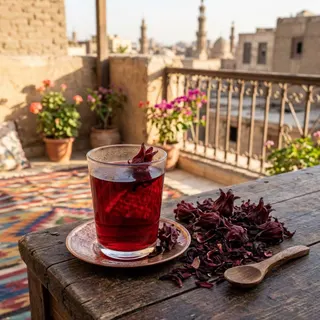
Karkade
Egypt & Middle East
A vibrant hibiscus infusion with refreshing acidity and deep ruby colour. Its bold flavour could inspire brighter, more complex botanical coffee alternatives.
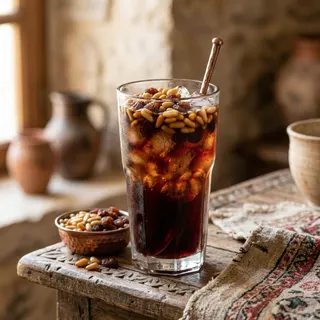
Jallab
Levant
A traditional Levantine drink made from date or grape molasses, rose water and pine nuts, offering rich sweetness and fragrant complexity.
Roasted Yerba Mate
South America
Roasting transforms yerba mate's grassy flavour into darker, toastier notes while retaining its natural caffeine and reputation for smooth stimulation.
Guayusa
Ecuador
An Amazonian leaf infusion naturally containing caffeine and L-theanine, known for its smooth, lightly sweet flavour and gentle, sustained energy.
Yaupon
North America
North America's only native caffeinated plant. Roasted yaupon develops warm, earthy flavours that make it an increasingly popular coffee alternative.
Hojicha
Japan
A roasted Japanese green tea with toasted, nutty aromas and remarkably low bitterness, making it one of the most coffee-like traditional teas.
Sobacha
Japan
A roasted buckwheat infusion with naturally nutty, biscuit-like flavours. Completely caffeine-free yet surprisingly satisfying and aromatic.
Mugicha
Japan
A traditional roasted barley infusion with deep cereal and toasted grain flavours, enjoyed hot or cold throughout Japan.
Oksusu-cha (Roasted Corn Tea)
Korea
A Korean infusion made from roasted corn, producing a naturally sweet, toasty aroma and a comforting flavour unlike conventional tea.
Rooibos
South Africa
A naturally caffeine-free South African herbal infusion with smooth, rounded flavour and subtle sweetness, equally enjoyable on its own or with milk.
Honeybush
South Africa
A close relative of rooibos with naturally sweeter, floral flavours and gentle honey notes, making it a soothing alternative to tea or coffee.
Kinkeliba
West Africa
A traditional West African herbal infusion valued for its earthy character and gentle bitterness, long enjoyed as an everyday restorative drink.
Bissap
West Africa
A refreshing hibiscus drink known for its vivid colour and tart fruitiness, demonstrating another bold flavour tradition from around the world.
Kashmiri Kahwa
Kashmir
A fragrant green tea infused with saffron, spices and almonds, celebrated for its warming aroma and centuries-old brewing tradition.
Sattu Drink
India
A nourishing drink made from roasted gram flour, offering earthy, nutty flavours and a satisfying body unlike conventional tea or coffee.
Kadha
India
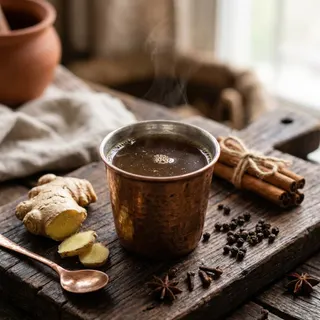
A traditional herbal decoction combining spices such as ginger, cloves, pepper and cinnamon into a bold, warming and intensely aromatic drink.
Roasted Carob Drink
Mediterranean
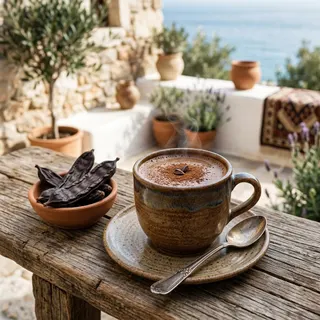
Roasted carob develops naturally sweet cocoa and caramel notes, creating a rich drink with surprising depth despite containing no caffeine.
Acorn Coffee
Europe & Korea
Made from roasted acorns, this traditional drink offers nutty, earthy flavours and was widely enjoyed when coffee was scarce.
Fig Coffee
Europe
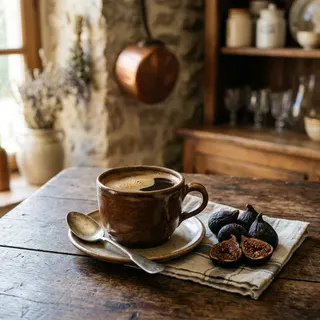
Roasted dried figs produce caramelised, fruity flavours and natural sweetness, creating a unique caffeine-free coffee alternative.
Cacao Husk Tea
Central & South America
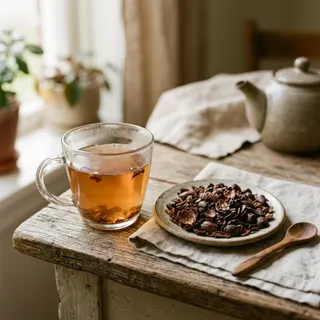
An infusion made from roasted cacao shells, delivering delicate chocolate aromas with a lighter body than traditional hot chocolate.

A note from Richard
Want to explore NooTea Membership?
Many of these drinks feed into future NooTea Brews. Membership is the best way to follow along: members can switch between brews and may occasionally be invited to try an experiment, but it isn’t a guaranteed tasting-panel place.
By continuing, you agree to receive NooTea Membership and product updates by email. Unsubscribe at any time. Privacy policy.
Membership lets you switch between NooTea brews. From time to time, members may be invited to try an experiment and share feedback; that invitation isn’t guaranteed.
Finding Your Perfect Coffee Alternative
Many of the drinks in this list are great, and some people will find their match without NooTea. But before I created NooTea, none of the existing alternatives quite did it for me. I wasn't getting the depth of taste, steady stimulation with no crash, and the ritual that coffee brings. NooTea started as a project to solve my own coffee problem: I love coffee, but weirdly after years drinking it, it just made me feel tired.
NooTea Brew 2 is designed to get close to coffee's depth and body when brewed strong, and to help with mental clarity, giving a calm, steady focus. There's also a ritual to making it that I enjoy.
Membership enables you to switch between brews, taste new brews I create, and have a say in what we develop. I'll send new members a free full-size pouch of NooTea to start, and you can cancel before your first payment and pay nothing.
Last updated: 23 August 2026